The ever-changing world of architecture makes firms look for innovative ways to stand out in the crowded marketplace. One of the best ways of achieving this is by including 3D animation in your design presentations.
With these times behind us, where clients could only rely on static images or very complex blueprints to make them understand a project, technological advancements have made it possible for architectural firms to use 3D animation, leveraging 3D architectural animation services, where designs come to life, providing an immersive, dynamic experience that enhances communication and decision‑making.
Cad Crowd is the industry’s top agency for 3D animation, with over 94,000 experts you can choose from to help you turn your idea into a tangible one. Whether you’re looking for innovative solutions, strategic insights, or top-tier execution, CAD Crowd has the expertise and the talent to bring your vision to life.
This blog post discusses how your firm can utilize 3D animation to present architectural designs and services, leveraging 3D AR/VR architectural services, improve client engagement, streamline project approvals, and ultimately deliver better results. 3D animation creates moving images that simulate an environment with three dimensions. In architecture, that means taking a three‑dimensional model of a building or a structure and then animating it to simulate how the whole thing would appear from all sides, or with lighting, and how a person would actually interact in it. They can make everything from how the outer walls of the building appear to the small details within the interior.
In a very broad sense, what one intends to present or materialize can also mean a kind of design process, different stages of construction, and what is supposed to be built. Materials, functions, and all these together, then the overall functionality. As 3D animation is used in exhibiting a project, even more, the thought of this decision in mind with clients before taking, could be compiled together now with firms through presentations.
 Table of contents
Communication with the client and stakeholders
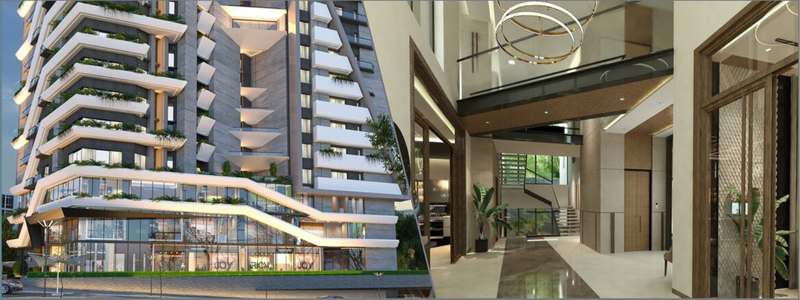
RELATED: How a 3D architectural design service can make your real estate marketing a breeze
Communication is the key to any architectural project, and the clearer you can express your design idea, the better your chances of a project’s approval and successful completion. The traditional architectural presentation, often relying on drawings and blueprints with static images, might confuse clients in some way or leave the vision untold, which is why many firms now leverage architectural presentation services to bring clarity and engagement to their proposals.
You can create detailed, dynamic visualizations that will make it easier for clients and stakeholders to understand complex designs with 3D animation. Animations can display the flow of spaces, the relationship between different areas, and even how the building interacts with its environment over time. This is really useful when dealing with large-scale projects, such as urban developments or mixed-use buildings, where understanding the overall context is essential.
For instance, provide an animation of a proposed building and how to walk clients through the design. It can start with an aerial view of the project site and then zoom in on the exterior of the building. Then it can transition to reveal the interior, perhaps focusing on key areas such as the lobby, offices, or residential units. Animation of how the building will interact and have natural light at different points in the day, combined with energy-efficient design components. An immersive experience lets a client conceptualize what it will really feel like there, which becomes easier for the client to make decisions and adjustments before construction.
Expedite the approval of the design
Among the major challenges in architecture is getting a consensus on the designs from the client and other stakeholders, like government authorities. Most of the time, approval can be held up since stakeholders are not able to interpret static images or technical drawings. When there are different changes or revisions that require a visual representation, the process gets complicated, which is why many firms now rely on BIM modeling services to provide interactive, data‑rich models that streamline revisions and ensure everyone stays aligned.
The process of approval becomes smoother if the design is presented clearly and in a more interesting manner in 3D animation. When all parties concerned get to see the project come alive with animation, it tends to be faster all the way. This is especially so when working with governmental bodies or other regulatory agencies, where animated presentations help in demonstrating compliance with zoning regulations, environmental impact assessments, and other criteria.
In addition, 3D animations make it easier to correct mistakes. In case one wants to alter the design, modifying the animation to express the changes is much faster and more efficient compared to redoing static images or blueprints. This flexibility saves time, but most importantly, prevents the possible occurrence of any misunderstanding among all parties concerned, especially when leveraging 3D architectural rendering services to rapidly iterate and update visuals as the design evolves.
RELATED: Why hire an architectural design service? The unmistakable benefits
Enhancing marketing and client acquisition
With the competitive market today, architectural firms have to be unique and come up with ways to capture new clients. Perhaps one of the most effective ways of doing so is by using different marketing materials. With 3D animation as part of your firm’s marketing strategy, you will create interactive, high-quality presentations that will awe your potential clients and enable them to imagine your designs. For instance, you can send an animated video of how you design to the potential client instead of just a simple brochure or a few still images. This will provide a much more memorable and impactful experience, giving your firm an edge over competitors who are still using the traditional approach.
The third advantage of 3D animation is that it can be very suitable for online marketing campaigns, including social media marketing, website presentations, and digital advertisements. The videos can go viral or catch people’s attention on YouTube, Instagram, or LinkedIn, hence reaching more people. You can tell clients with the marketing material that you created with the help of 3D virtual reality rendering. You are even saying that you’re one of those who will be at the helm of modern design, close to the world being innovative with technology.
RELATED: How architectural design services are creating sustainable architecture
Disclosure of design considerations and materials
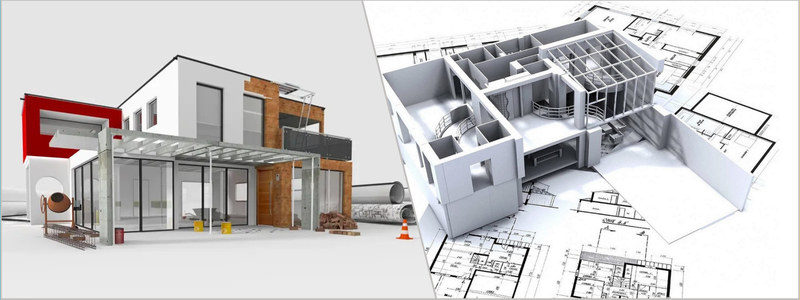
Another significant advantage of using 3D animation in architectural presentations is that it brings out the finer details of your design. Clients normally face problems with visualizing how materials, finishes, and textures are going to be combined in the final product. Using animation, you can model how different materials will appear under different lighting conditions and thus enlighten the client on how his or her choices will be represented in the final product.
For instance, you can have a commercial building with glass, steel, and wood elements, which you would like to show different parts of the structure by an animation of how these materials will look when put together, leveraging 3D flythrough design services. Animation can be used to show how light plays with glass facades during the day, shadows play on the steel framework, and what the texture of wooden surfaces will be; this may help clients better visualize the tactility of materials.
For better exposure of details, such depth may have to be shown for a rich selection of materials, perhaps mainly on high-end residential or even commercial projects that would require a lot of the design process. The 3D animations of such details might provide better decision-making information to clients, so maybe fewer requests for revisions and more satisfaction with their final result.
RELATED: How CAD technology is transforming the future of architectural design services companies
Virtual reality integration for immersive experiences
Over the last few years, virtual reality and 3D animation for architectural presentations have really taken the latter to new heights, especially when combined with architectural 3D modeling services. It totally immerses clients and other stakeholders in a virtual building before it is actually built. You can mix 3D animation with virtual reality to offer your clients an interesting presentation. From every side, clients are allowed to walk around and discover different layouts, designs, and environments. The immersive ability makes them relate to the design on a more concrete level, which they have always wanted.
Virtual reality integration can also be done in collaboration with others, such as contractors or even interior designers. They can walk through their design virtually and give input to be made in real-time. This kind of engagement may lead to a much more cohesive design process within which all parties actively come together to form the end product.
Cost and time efficiency
Although 3D animation would appear to add an extra cost, it can save your firm time and money in the long run when you integrate 3D construction rendering into your workflow. Providing the client with a more accurate, detailed visualization of the project reduces the likelihood of misunderstandings and costly design revisions on‑site. The clarity animations provide can also prevent miscommunication with contractors, and everyone will be on the same page from the very start.
Furthermore, the procedure that includes 3D animation also eliminates the requirement for consecutive build cycles of a model or radical changes in current sketches. A 3D model created once can therefore easily be amended to change circumstances or revised according to modifications as the work continues from its production point.
RELATED: The power of architectural CAD services
How Cad Crowd can help
In an architectural design presentation, 3D animation is a powerful means to elevate the services offered by your firm and to communicate better with clients and stakeholders. The ability to present the design dynamically, showcase materials and details, and engage clients through immersive experiences can be a competitive edge in speeding up approvals, streamlining decision-making, and raising client satisfaction.
This will enable your company to present the final product and, at the same time, display more transparent, interactive, and efficient design processes using 3D animation. Thus, such an innovative approach toward architectural presentations positions your firm as a forward-thinking industry leader, attracting more clients with success in your projects, especially when supported by design for manufacturing and assembly services that ensure the feasibility of your concepts from the earliest stages.
The future of architecture is a visual one, and through 3D animation, your firm can lead the way in making designs that will inspire, engage, and excite. At Cad Crowd, we have over 125,000 members waiting for you to choose from to help you present the most engaging and enticing architectural designs and services. Get a free quote today.
The post How Your Firm Can Use 3D Animation to Present Architectural Designs & Services first appeared on Cad Crowd.